The Consumer Electronics Show (CES) is one of the world’s largest and most influential technology events, held every January in Las Vegas. It’s where major companies and ambitious startups unveil cutting‑edge innovations—from AI and robotics to smart homes, health tech, and next‑generation transportation. CES matters because it sets the tone for the tech year; in Vegas, new trends emerge, partnerships form, and breakthrough ideas get their first spotlight. For investors, creators, and consumers, it’s a preview of how technology will shape everyday life and global industries.
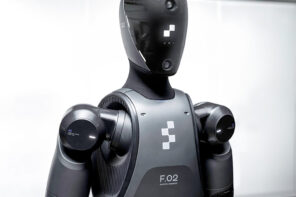
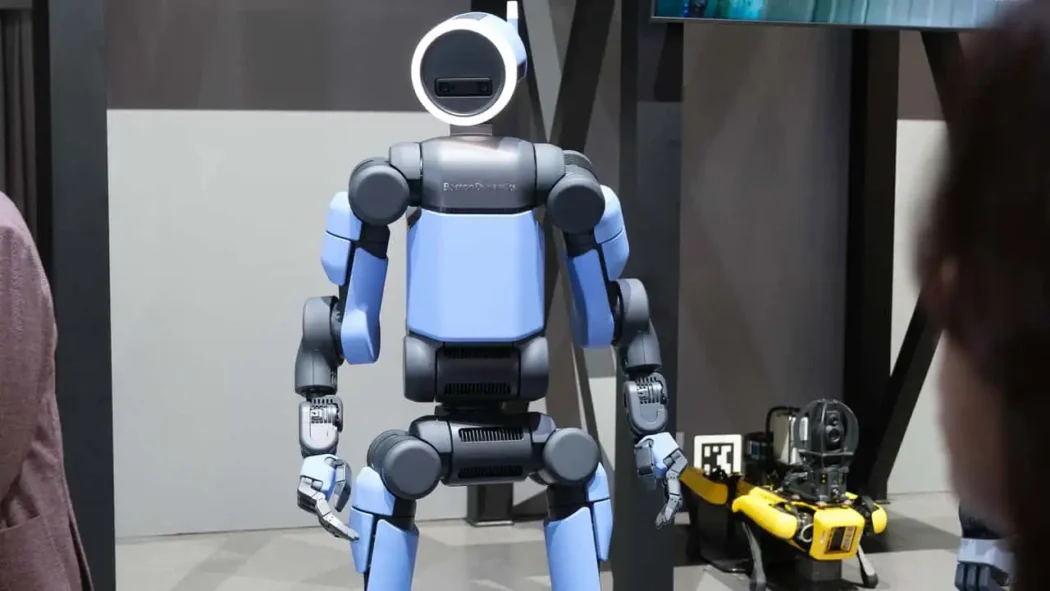
At CES 2026, one product stood out as the most impressive by far: The Boston Dynamics Atlas Robot.
Boston Dynamics is one of the most influential robotics companies in the world, known for pushing the boundaries of mobility, balance, and agility in machines. Founded in 1992 as a spin‑off from an MIT research lab, the company first gained attention for research robots like BigDog and later became globally recognized for humanoid and quadruped robots such as Atlas and Spot. Spot is a world famous functional robotic dog, used primarily for industrial inspections, site surveying, and remote monitoring of complex or hazardous environments. Over 1,500 of these robots are currently being used by companies worldwide. Spot is a predecessor of the humanoid Atlas robot, and has mastered autonomous operation, exemplifying how Boston Dynamics has consistently blended advanced engineering with dynamic, lifelike movement.
In 2020, Hyundai Motor Group acquired a controlling stake in Boston Dynamics, positioning the company to shift from experimental prototypes to scalable, real‑world robotic products, especially in manufacturing, logistics, and mobility. This partnership has accelerated Boston Dynamics’ transition into commercial robotics while preserving its reputation for cutting‑edge innovation.
Boston Dynamics’ Atlas stands out because it is genuinely autonomous in a field crowded with smoke‑and‑mirrors demonstrations. Many humanoid robots showcased today rely heavily on remote operators, scripted routines, or hidden telepresence systems that make them appear more capable than they are. Atlas, by contrast, performs complex movements, navigation, and manipulation using onboard sensing, real‑time control, and AI‑driven decision‑making. This autonomy is a major milestone: it proves that dynamic, human‑scale robots can operate reliably without a human puppeteer.
In an industry still struggling to bridge the gap between flashy demos and real‑world capability, Atlas represents a rare and meaningful leap forward.
However, there are some concerns about the future of the implementation of these robots. Atlas is an extremely advanced machine, which means high production costs, specialized maintenance, and complex deployment requirements. Early‑stage robotics always start expensive. Costs fall dramatically once manufacturing is scaled upwards, components are standardized, and software is matured, which is exactly the kind of progress that Hyundai’s industrial ecosystem is designed to accelerate.
Another issue with Humanoid robots is that they still struggle with long‑duration tasks, unpredictable environments, and fine manipulation compared to humans. Atlas solves this concern because it is built for progressive autonomy, meaning that its AI foundation models allow it to learn new tasks over time. Furthermore, In early deployment, Atlas is meant to start with completing repetitive, dangerous, or ergonomically difficult jobs. Atlas is also specifically designed for predictable, controlled factory workflows, not chaotic public environments. Furthermore, a powerful, highly mobile humanoid raises questions about workplace safety and reliability under real industrial conditions. Having said that, Boston Dynamics has a long track record of building robots with industry‑leading safety systems.
Despite these concerns, the unveiling of Atlas by Boston Dynamics at CES 2026 is something to be excited about due to it’s vast lead on the rest of the humanoid robotic world. Atlas has shown that it’s advanced models and increased access to research capital have provided a substantial moat compared to competing firms. Boston Dynamics continuously employs some of the highest level researchers in AI, and Robotics and a dedicated and talented team will continue to define Atlas’ progression. Not only does talent define Boston Dynamics, but their key sponsorship with Co-Owner Hyundai allows their robots to enter into commercial deployment well before many others may even have the chance, Integrating Atlas directly into Hyundai’s supply chain process. Through top level funding, talent, and opportunity, Atlas has set the golden standard in the humanoid space as one of the first few generally intelligent robotic humanoids.
Looking forward, Atlas will continue to define physical applications of Artificial Intelligence, especially in manufacturing and greater automatization.