The world of AI is advancing quicker than we can follow. But what will bring about real change in our world? What will AI fundamentally alter? From researching on AI and listening to the predictions of leading tech figures,
one trend is becoming clear: Physical applications of AI will dominate the next 10 years.
I believe that this is a trend that will define the next decades of human labour and technology. ChatGPT, Claude, Gemini were true breakthroughs in the world of Large Language Models(LLMs). However, the true revolution is quietly being built. A core feature of current AI models is their ability to learn and operate predictive behaviour. This is a skill that we as humans perform daily in our respective professions and personal lives. If advanced enough, Neural Models can operate similar functions given the correct structure and specified tasks. For instance, an autonomous Waymo Robo-Taxi is built on a Neural Network that has been trained on millions of miles of data. Its software and sensors continuously perceive inputs from the road and react in real time. It is able to predict and behave similar to a human with a reduced level of error and a higher level of preparedness. This begins to describe the overall trend that is occurring in hardware, where AI is moving from conversion-based intelligence to real world robotic applications.
This shift is being defined by Humanoid Robotics.
Robotics has seen incredible growth in past years, but nothing compares to these projections. Automation has increased the productivity of many Automotive plants and reduced the operation factory risk for many workers. For instance, Tesla has a fully robotic factory. However these advancements have typically been reserved to stationary robotic systems. That is now changing…and it’s beginning to look more human. Three companies currently dominate the “humanoid” robotics space. The global humanoid robotics industry is expected to grow at a staggering Compound Annual Growth Rate (CAGR) of 42.8% through 2030. North America is currently the dominant market where entrepreneurs are building these companies with an overall market share of 52.2%. Figure AI, and 1X technologies, both based in the United States, along with China-based Unitree, are part of the companies currently shaping the future of humanoid hardware.
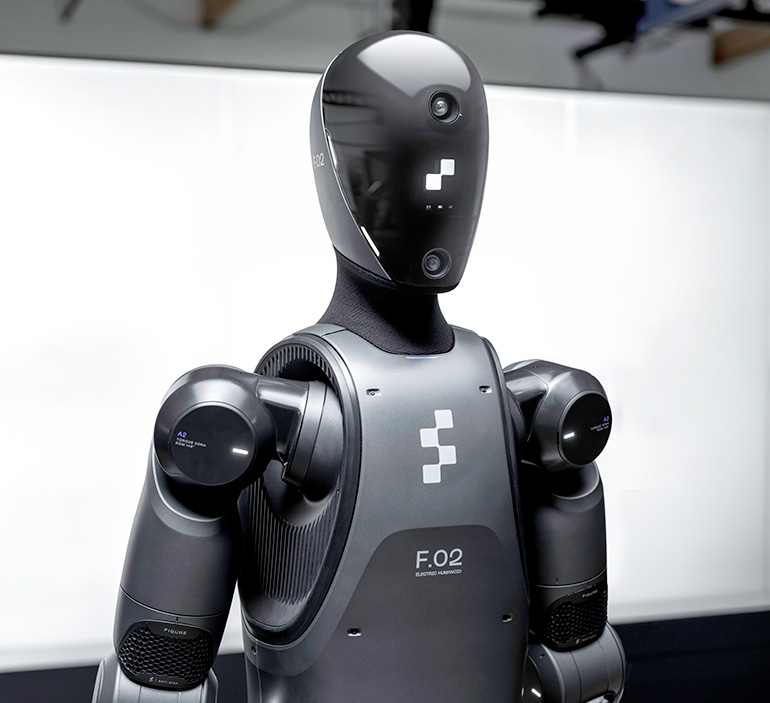
Figure AI is the world’s largest Humanoid startup. The Austin based company co-founded by Brett Adcock has a goal to produce and sell functioning humanoid robots to all of the world. Figure recently announced, after a recent series C funding round, that they have reached a staggering 39 Billion dollar valuation. Adcock believes these robots will vitally change the supply chain and labour in major US Companies. Recently the company is finalizing a potential partnership with UPS, the logistics carrier. In the last year UPS lost a major union battle and has been paying their workers over 130,000 per year. Well above the average salary for drivers and delivery employees in other companies. Robots capable of carrying out the same tasks could cost a fraction of that – some say approximately 20,000. Figure has been in significant discussion with UPS for good reason. The logistics firm has dealt with its lowest stock price in the past 5 years, and meaningful change needs to happen. Figure has already partnered with BMW and is currently operating a fleet of robots that do factory work like carrying heavy metal pieces and completing small manufacturing tasks. Figure also recently shared videos showing the robots being used in homes. Carrying out tasks like laundry, dish washing, vacuuming and even playing fetch with a dog! The company is trying to broaden the possible use cases for their products and showing the versatility of the robots.
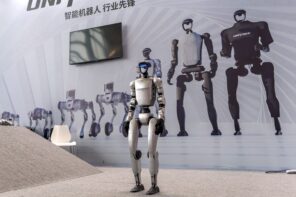
Unitree is likely the most probable competitor to Figure. Founded by Wang Xingxing, Unitree is a Chinese startup which recently went public on the Hong Kong Exchange. Originally known for building fun and functional humanoid robots,,the company has forged a reputation for pushing cutting-edge robotics into mass-market affordability. Unitree’s long-term vision is straightforward: make highly capable humanoid machines accessible to businesses that need reliable, low-cost automation. The company has already shipped thousands of quadruped (four-legged) robots globally and is now advancing “H1,” its flagship humanoid designed for industrial support roles. With early pilots underway in warehousing and light-manufacturing environments, Unitree is positioning its robots as a scalable solution for global logistics bottlenecks. Analysts suggest that with manufacturing efficiencies and China’s hardware dominance, Unitree could eventually field humanoids at price points dramatically below Western competitors—potentially unlocking widespread adoption in sectors facing persistent labour shortages.
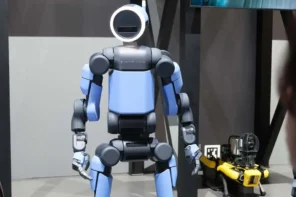
Norway-based 1X Technologies, backed by OpenAI, is another fast-rising humanoid robotics company redefining what practical, general-purpose robots can do. Founded by Bernt Øyvind Børnich, 1X focuses on building safe, human-aligned androids capable of operating in real-world environments. 1X Tech has also recently announced a funding round bringing the company’s valuation to 10 billion dollars. Their focus is initially in security, facility support, and light-industrial roles. Their “NEO” humanoid platform has drawn significant attention for its emphasis on dexterity and human-level interaction. It also has recently gone viral on social media as people have begun to realize the rapid development of humanoids. The company has secured major government-level contracts and continues to scale production as demand for autonomous workforce augmentation accelerates across Europe and North America. With rapid advancements in embodied AI, 1X is positioning itself as a key player in the next generation of labour-efficient automation.
Many skeptics argue that these Robots are more destructive than good, and popular culture often reinforces this fear. In the end of the movie iRobot, the Robots attempt a hostile takeover of the city. But I believe this to be more fiction than fact. Although I agree that a large issue will be the security of the underlying neural models, robots themselves work based on preset constraints within the model. It is therefore more important that responsibility be placed in the right hands.
Robots also present the issue of the removal of certain jobs. They will likely improve the current job structure we have but also take away certain jobs. Humanoid robots can complete tasks that previously had a high risk of workplace injury, or jobs where people were known to suffer mental harm. More broadly, robotics can also improve our workforce structure by making more white-collar jobs available and increasing the motivation for education in many countries. Robots also present compelling use cases for personal assistance. Such as medical help and personal care at home for those suffering from physical restraints or elderly people. Bill Gates has recently come out in advocacy for robotics, but has mentioned that humanoid robots or the companies that manufacture them should have to pay a higher tax rate as if their robots were earning income. I believe this to be an interesting and viable solution. It could in some ways subsidize a lot of the job loss and benefit overall the government by increasing taxable governmental income.
In summary, Robotics could be the next trillion dollar market, and the future will belong to the companies that can be cost efficient and excellent capital allocators. Furthermore, producing the right neural network and training the robots on large clusters of data will become equally important.
Humanoids could represent the physical embodiment of artificial generative intelligence fully capable of interacting with the natural world.