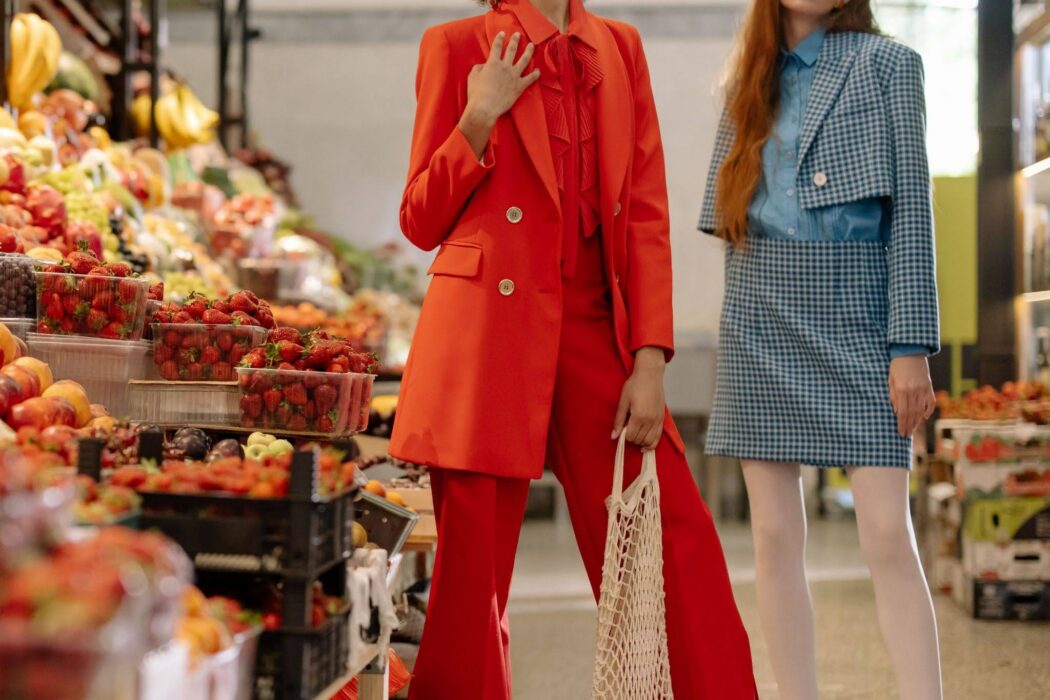
Fashion and food have had a long-standing, albeit private, collaboration since the early 20th century when Schiaperelli asked Salvador Dali to paint a lobster on a dinner dress. However, with overconsumption at its peak and grocery prices skyrocketing, food’s dimension has shifted from art to commodity, and from imagery to material. Now, more than ever, we see designer brands transforming meals into marketing and produce into products. The irony is comical: the average household struggles to make ends meet while the ultra-wealthy parade celery as handbags. History repeats itself in cynical ways; as Jean-Jacques Rousseau once wrote: “Qu’ils mangent de la brioche!” In English, “Let them eat cake,” referring to the starved proletariat.
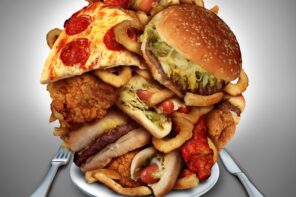
To understand food’s upward social climb, we must look to its day to day presence. In the digital age, food centered content pervades all media: be it weekly Crumbl taste tests, Erewhon grocery hauls, or the numerous food challenges plaguing reality TV (e.g. Love Island). More curiously, is the language attached to these presentations: “not worth it,” “a waste of money,” and sometimes just “disgusting.” How paradoxical; influencers — today’s petit-bourgeoisie — use their excess wealth to continuously consume food they detest for the eyes of millions of common man. Clearly, this is a vicarious pleasure for the average doomscroller. Consuming content of someone eating the very food you struggle to access, but then is decried upon tasting checks two objectives. One, all sensory experiences are satisfied through the creators’ review. Two, by denouncing it, the viewer no longer feels the desire to purchase something that was never within their reach. The cycle repeats, and consequently, the market for food as viewing pleasure becomes solidified.
So, how do the ultra-wealthy become involved? While the lower and middle class audiences seek maximalist aesthetic pleasure, the rich are satiated by quiet luxury. Since capitalism’s birth, the upper class has been defined by exclusivity and rejection of the layman’s delights. When opulence and maximalism became the object of desire for lower classes, it no longer became cherished by the wealthy. Although they can afford displays of grandeur, they do so selectively, and not daily. Thus forms their minimalist, virginal, and pure aesthetic. These three traits have become naturalized through interior design, houseplants, and even pets: less is more. This poses a new challenge for luxury fashion houses everywhere; to make fashion interesting and innovative, but also capture the curated tastes of their investors. To jump this hurdle, they look at what the lower class likes and do the opposite, or what causes them strife and capitalize on that.
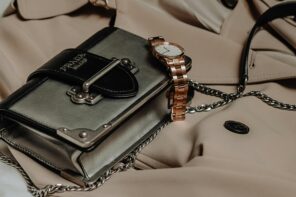
Consequently, we end up with items such as Moschino’s Apple Bag and promotions like Jacquemus’ Bread and Butter Invites. Staple pantry items are now plasticized, copyrighted, and sold for thousands — as if touched by Midas’ hands. The same food that is gradually becoming out of reach to the average consumer, unbeknownst to the ultra-wealthy, is now dangling higher up on the tree of desire, by the same people who likely don’t do their own groceries. How dystopic: it is this very thing the lower class needs to survive, but struggles to attain, that is turned to gold.
There is great irony in how fashion houses spin these decisions. Namely, framing it as democratization: food is one of the few things to which everyone, regardless of class and culture, attaches memories. So, why not make it fashion? However, this angle is heinous and one has to just look at trickle down economics to understand why. When the trends slide “down the garbage chute” to mid-tier brands, fast fashion, and ultimately, the Marshall’s clearance rack, the wealthy’s interests deplete. The democratization of fashion in question is being served with leftovers that they deem tacky. Democratization does not cross their minds when a $4000 price tag is attached to a corn-shaped bag and is absent until the very end. Insultingly out-of-touch, food scarcity is clearly a thought that has never afflicted their minds. So much so that when they put food on the table, it is as luxury and not sustenance.