
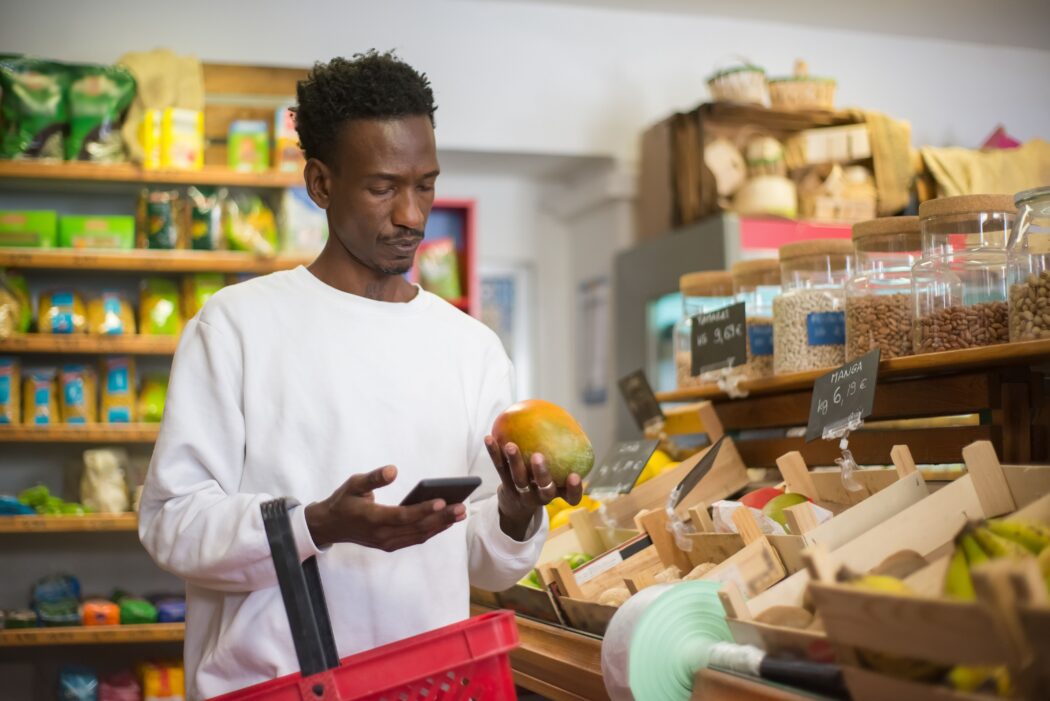
Students across Canada have seen a change in merchandising at stores since the onset of the trade war between Canada and the US— coming in the form of higher prices on imported goods and even some alcohol brands being absent from the shelves. The trade war has led to a growing push to shop Canadian. With steep US tariffs and retaliation by Canada, trading with the US has become less economical. A resolution does not seem imminent with negotiations falling apart. But in response, many Canadians are prioritizing buying Canadian and relying on new technologies to make that more realistic.
At the start of the trade war, an increasing number of grocery stores began putting up signs to help shoppers identify what products were made in Canada. Since then, many more tools have been developed to allow consumers to understand the true origins of what they are purchasing. Apps like Maple Scan, Buy Beaver, and O SCANada are just some of the AI powered apps that are marketed to those hoping to shop Canadian. These apps scan a photo of the item and provide a snapshot of where the good was produced, providing more details than labels or signs. Because the apps can give a breakdown of the whole production process, it is much more effective than sporadic signage. This is especially helpful given the interconnected nature of production where some can be in Canada, the US, or both. The goal is for shoppers to scan items as they pick them up and get nearly instant results. Greater transparency allows consumers to choose where they draw the line and where they want to spend their money.
The creation of these apps reflects genuine public concern about the issue. For example, Sasha Ivanov created ‘Maple Scan’ without large scale funding or government support (Sasha Ivanov app). The app has high consumer satisfaction with a rating of 4.8 out of 5 stars (App Store: Maple Scan). Its success also highlights the pervasiveness of AI as the app is largely powered by AI . These apps function similarly to other AI scanning apps that are often used to show the nutritional value of food. This model allows high efficiency without long start up processes.
The rapid development of these companies shows a growing industry wherein consumers demand for greater transparency of where their money is going. These apps have also gained traction on social media where they can be promoted to an even wider range of consumers. Easier access to knowledge of where everyday products are coming from is increasing awareness of the complexity of contemporary supply chains.