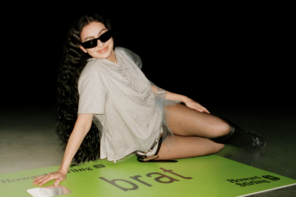
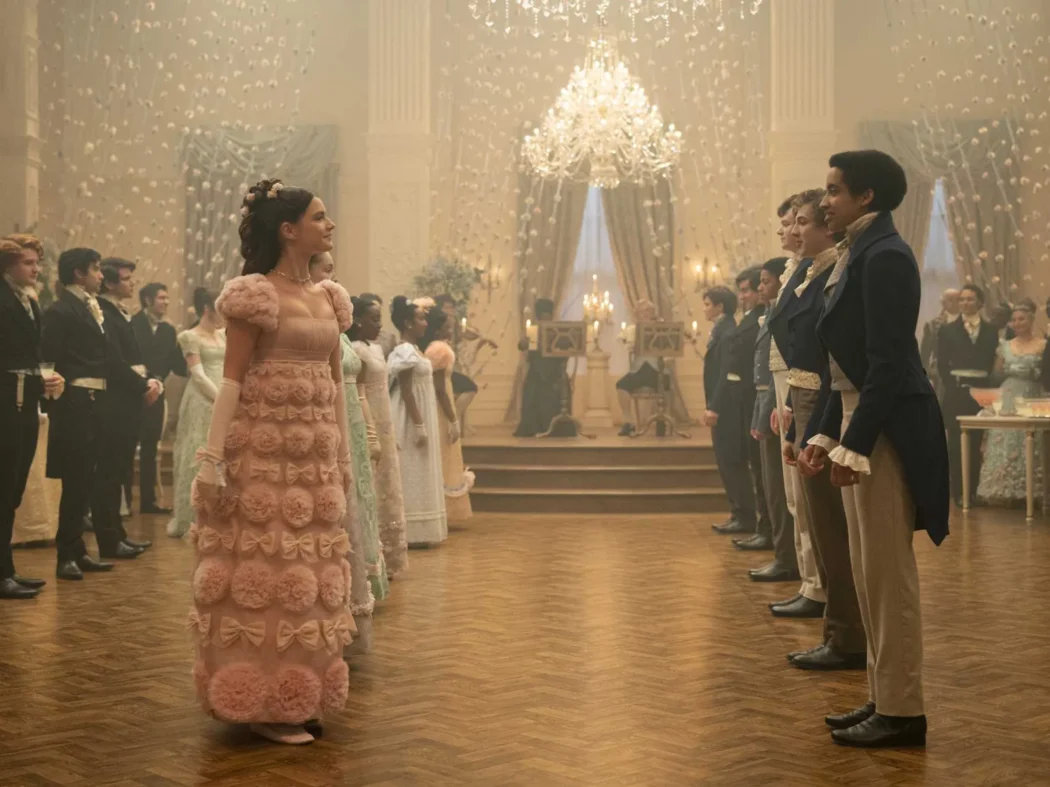
Girls circling each other on their toes, pets on their back paws trying to keep up with the beat, and even doctors preparing for surgery: videos recreating the famous season four dance have gone viral on TikTok and Instagram. Set to an instrumental version of Charli XCX’s “360” hit, the opening scene of dear little Hyacinth’s recital has been transformed into a true pop culture phenomenon. So then, what did it take to transform a completely inaccurate dance into “the only proper way to greet each other these days”?
Honestly, the first time I found the dance on my feed, I burst into laughter. I had just finished season four, and I found the reel so funny I liked it instantly. The dance had already struck me as out of place and anachronistic when I first watched the show, so seeing people parody it online was all the more amusing. Little did I know what I had just gotten myself into. Because soon, my entire socials were full of this dance. You would think I would have learned not to continue liking the same content over and over again. Well, I didn’t. And so, I went on liking, and Instagram continued pushing the dance on my profile.
That algorithm, am I right? When trying to identify an obvious culprit for the popularity of this kind of video, it is where our minds instantly lead us. One person made a relatable reel, knowing that the TV show was at an all-time high in popularity at the time, some people immediately recognized the dance that must have amused them when they watched it onscreen for the first time, and soon, Instagram and TikTok were full of these clips.
What I did not expect, however, was how quickly the tone of the “Bridgerton-sphere” would shift. One moment, my feed was filled with lighthearted reproductions of the “360” dance, and the next, it was saturated with grumblings and more heated reactions regarding season five’s main storyline, namely the romance between Francesca and Michaela.
I was surprised at first, but in hindsight, it makes sense. Once a TV show gets a lot of attention, everything surrounding it, whether it be praise, parody, or criticism, is amplified by platforms’ feedback loop. For once, I almost feel like I should be thanking the algorithm. Beneath the endless stream of entertainment, it revealed a far more interesting paradox: why are some of Bridgerton’s historical inaccuracies embraced, even as parody, and met with enthusiasm by the audience, while others still cause an uproar?
The idea of two lesbian women living openly and being accepted for who they are and who they love would not have been possible in the Regency era in England, of course. Such a situation is not realistic for the time period. Yet, Bridgerton has never been about historical realism. The show has always been about transgressing historical norms to include as many storylines as possible in order to attract a diverse contemporary audience looking for relatable characters and relationships. Kate Sharma would never have been accepted into society as a viscountess as she is depicted in the show due to the reality of racism in England at the time; she most certainly would have been rejected by “the ton” from day one. Similarly, the idea that Queen Charlotte might be Black is far from historically accurate, and the TV prequel centered on her younger years goes even further by fully integrating her skin color into the storyline, with racism imagined as already beginning to fade. These racial aspects continue to be debated by the Bridgerton community years after the first season’s release.
So where exactly does the audience draw the line? Why is a completely anachronistic dance set to Charli XCX met with enthusiasm, while a same-sex romance sparks backlash? Part of the answer might lie in the type of inaccuracy at play. Musical additions are considered playful and innocent; they do not completely challenge the viewers’ understanding of historical events, but make them gasp when the music is heard onscreen: “I recognize that song! How clever to include it in that way.” But other reinterpretations, especially those that transgress gendered, sexual, and racial norms, act on far more sensitive ground. They do not simply modernize the past, but seem to completely rewrite history with an inclusivity that did not exist at the time. That is precisely where discomfort begins to emerge: audiences hesitate to embrace a reimagined past that might seem to actually mask centuries of minorities’ struggles or to bring into the spotlight norms that remain politically and socially charged today.
Ironically, both types of inaccuracy come from the same creative impulse. The instrumental version of “360” removes the song from its modern context and makes it adaptable to a Regency setting, and this is precisely what the show has always been about: giving each and every one of us the opportunity to imagine ourselves onscreen through at least one character who resembles us.
For audiences who seek more historical accuracy, I would recommend Downton Abbey, The Gilded Age, or Pride and Prejudice, all onscreen works I love as much as Bridgerton. But Bridgerton offers something different: a fantasized past in which anyone can step into the frame and dream of belonging.
To Eloise’s fans, don’t fret: her season will come. For one, I’m excited to see what season five has in store for us, even if, as we seem to be looking at a 2027 release date, we might have to wait quite some time to find out.