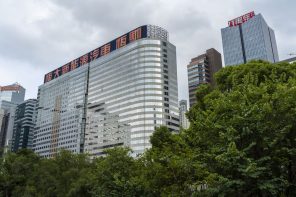
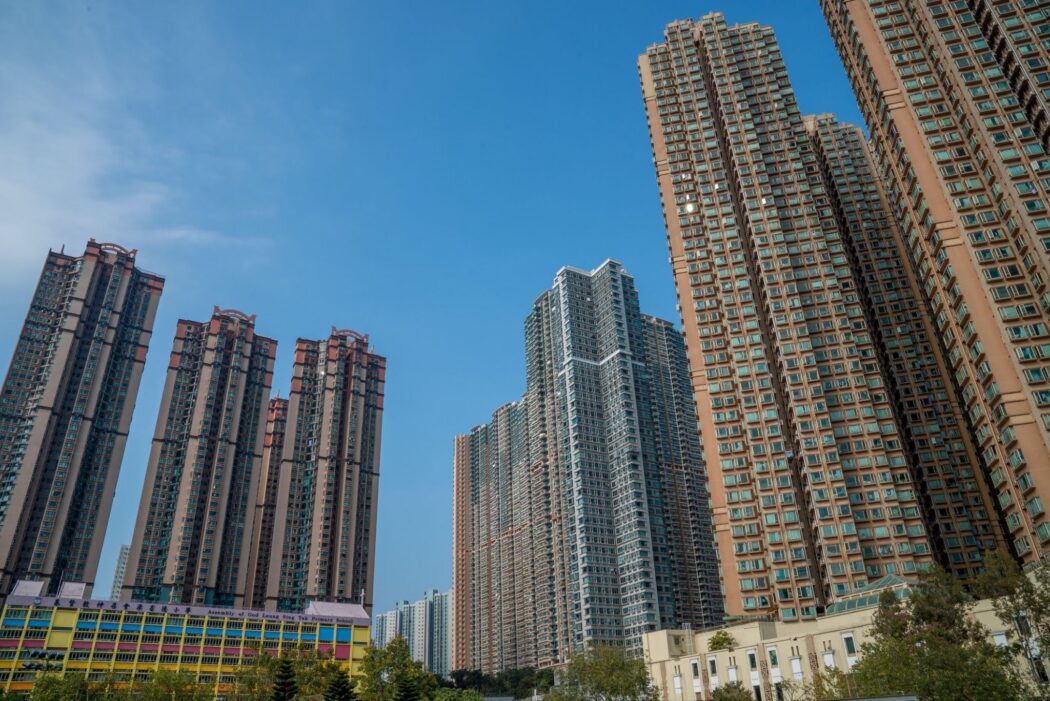
China has persistently been a global superpower, having major influence on the political economy of the world. Internally, however, one market’s performance has been incredibly peculiar compared to the rest of their economy. China’s property downturn left behind projects at every stage of failure; whether it’s unfinished apartments, units sold but never finished, or units completed but left uninhabited, these projects are the outwardly visible signs of an ongoing crisis. Real estate has turned into a risky and deteriorating asset, and a loss of confidence in the industry has followed.
The extent of the downturn is absurd: according to the National Bureau of Statistics, development investment fell 19.9% from January to August 2026, a worrying trend that indicates the extent of the lack of consumer confidence. Additionally, the World Bank says that inflation adjusted prices have fallen 23% since their peak in 2021, but these statistics only show part of the story. Empty buildings and uninhabited apartment complexes became a common sight in China; for example, one in six homes completed between 2001 and 2018, across 56 major Chinese cities, remained unoccupied until early 2021. This doesn’t even include the ones that have already been bought just to be left incomplete or obsolete, which is a prominent problem in the country.
In spite of this, the broader Chinese economy continues expanding, as key indicators such as a growing GDP and manufacturing sector show. An economy of this calibre should be coupled with a booming real estate market as well, so how did this really happen?
For years, rising apartment prices made them seemingly attractive investments. Consequently, local governments continued to sell land use rights, and developers or buyers had all the incentive to keep the boom going. With such a market, developers often sold homes before even completing them, using payments to finance construction. Furthermore, people often bought homes with little intention of residing in them, expecting ample demand for rent and a steady appreciation of the asset.
This all changed in 2020, when the government introduced the “three red lines” policy to fight the excessive borrowing problem, which exposed the astounding leverage used for these projects and the fragile finances behind the developers. With weakened confidence, the developers that were previously operating on risky loans lost their financing. This led to stalled construction, which in turn left reluctant consumers unwilling to buy any more unfinished projects, creating a destructive cycle.
Introducing foreign participation or investments on existing properties could be the boost the industry needs. China currently permits very limited foreign investment, but making it easier for global investors to acquire and use these buildings could help address the surplus. China is a booming economy, which is promising for investors, particularly those in urban hubs. Property investors could help developments with genuine potential, and provide a much needed bump to the falling market.
However, foreign investment by itself is by no means a viable solution to completely overturn the housing market in China. While it would help finance the completion of unfinished projects, investors need reason to believe that their new homes will attract buyers or tenants to generate a profit in the future. Projects in rural areas may well remain empty even with an increased foreign presence.
China’s property downturn is a reminder that growth across the economy does not guarantee success in every market. Foreign investment could help mitigate some losses, but a lasting recovery depends on reupping buyer confidence. Until then, the real estate industry will remain a striking juxtaposition to China’s larger economy.