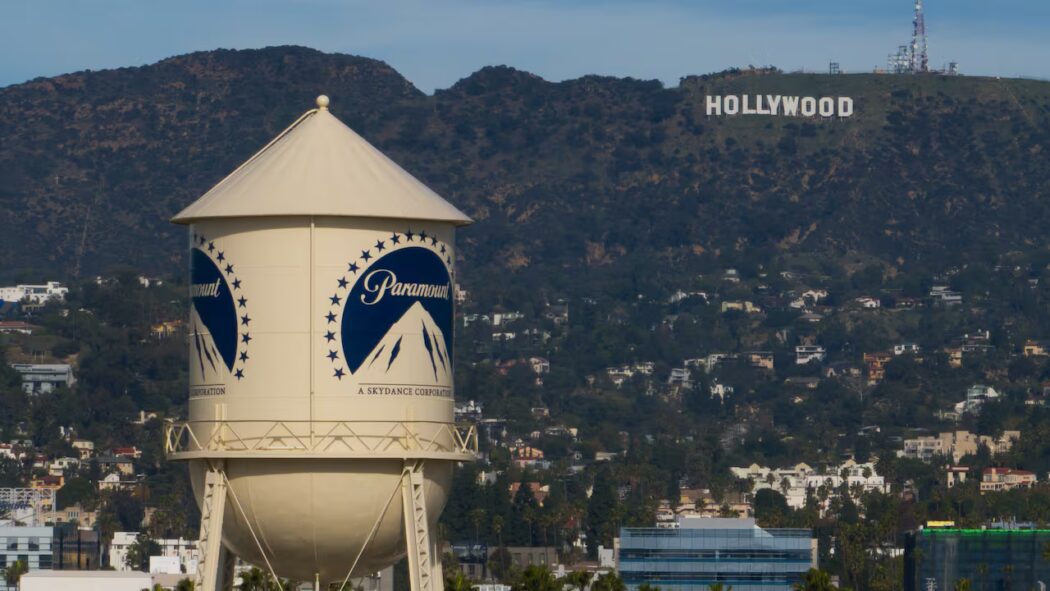
When Paramount Skydance announced its $111 billion deal to acquire Warner Bros. Discovery in February 2026, the headlines were focused on David Ellison’s audacity: his company was swallowing up another one worth around seven times as much, outbidding Netflix, and acquiring CNN and HBO in the process.
What received less attention was the question of whose money was making this possible.
The answer is buried in SEC filings, but it is not hard to find. Approximately $24 billion of the deal’s financing, around 22% of the funding, comes from three sovereign wealth funds: Saudi Arabia’s Public Investment Fund (PIF), the Qatar Investment Authority (QIA), and Abu Dhabi’s L’imad Holding Company. These are the investment arms of absolute monarchies, governments with their own agendas, their own relationships with the United States, and their own preferences on how they should be covered in the international press.
Paramount was quick to offer reassurances, saying that the investors would not receive governance rights, meaning no board seats and no voting power. Therefore, Paramount argues, their involvement falls outside the jurisdiction of the U.S. Committee on Foreign Investment in the United States (CFIUS), the federal body that reviews investments for national security risks.
“It seems very odd to me, with the level of investment that we’re talking about, that they’d have no influence or editorial control over media in another country.”
-Ted Sarandos, Netflix co-CEO
Analysts have noted that large sovereign investors get automatic access to leadership and leverage for future financing, even without voting rights.
You don’t need a board seat to make your preferences known when you have written a $24 billion check; a phone call would suffice.
This partnership boosts their countries’ respective reputations and soft power in the media world.
The implications for CNN are foreseeable. The network has a long-standing reputation for aggressive international reporting, especially in the Middle East. CNN was one of the main news channels that extensively documented the illegal killing of journalist Jamal Khashoggi by the Saudi government. When those same governments become significant financiers of CNN’s parent company, the question of what stories quietly go unpursued is not hypothetical. The concern is that, because of the Gulf’s involvement in this deal, coverage in the Middle East will change in ways that serve those governments’ interests rather than the public’s.
In Washington, the deal has also raised alarm. Led by Senator Cory Booker, a group of top Senate Democrats petitioned the Federal Communications Commission (FCC) to conduct an independent review of the deal’s financing. They argued that massive investment from the Gulf states creates an opportunity for foreign influence over American journalism that cannot be ignored by regulators.
David Ellison has publicly declared that CNN’s editorial independence “needs to be maintained.” It is a carefully worded assurance, but there is no binding promise.
As the deal moves toward its final vote, the question remains: can a news organization remain one of the most trusted names in media when it was acquired with the money of the very regimes it is covering?