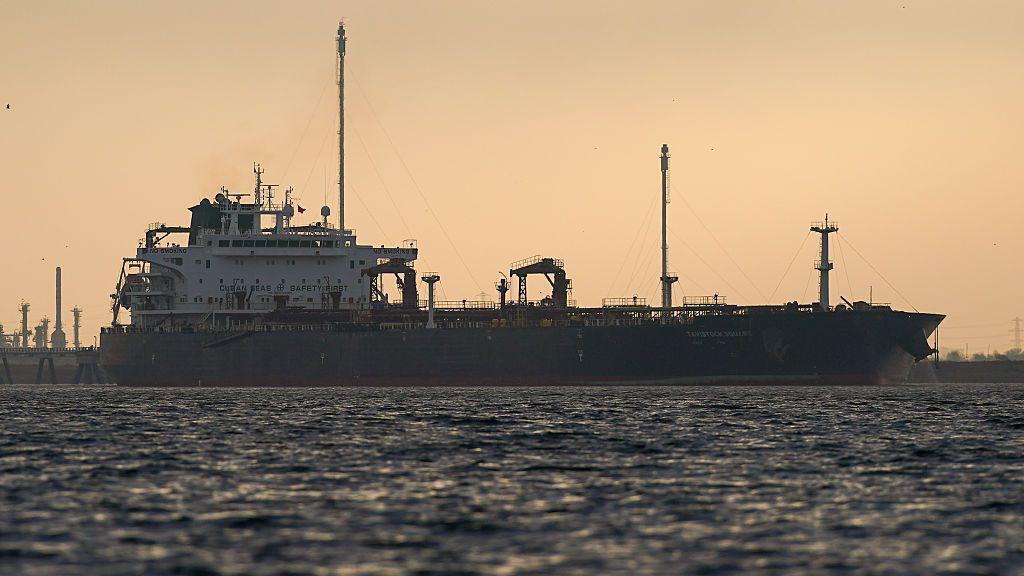
Is the Strait of Hormuz in the room with us? Geographical distance offers little protection from crises in a globalized economy. With a fifth of the world’s oil and liquefied natural gas (LNG) reliant on the shipping channel for transport to their global markets, the impending oil shock will have disastrous impacts on the energy markets. Not only will this drive up the price of the daily commute, but also the price of any transported goods that must travel from where they’re produced – which is all of them. Less often noted, but equally as significant, is that one-third of the world’s fertilizer exports pass through the strait, a critical component of global food production.
How can a single waterway wreak such devastating havoc on the world economy?
Ever since the railway and the printing press, geographical barriers to communication and transport have gradually weathered away. Space has been compressed to the point that it can seem almost irrelevant. Combined with the removal of international trade barriers, goods that were previously tied to a specific place now travel across global transport networks with ease. In the oil markets this is especially apparent; in eastern parts of Canada, it is usually cheaper and more convenient to import oil from the Middle East than from Alberta.
However, space is far from irrelevant.
Globalization has not triggered the “end of geography” as financial analysts once predicted in the 90s; rather, new hierarchical relationships have emerged across space, dependent on connections between places rather than absolute location.
These connections are characterized by a two-way dependency between the local and global. Local places are increasingly dependent on the activities of global markets, which are in turn disproportionately affected by hyper-specific localities – which is the reason the markets are so volatile in the first place.
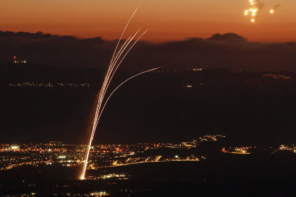
The Strait of Hormuz is a potent example of this phenomenon, because it hits people where it hurts: essential goods with inelastic demand, such as energy and food. Billions of people who would otherwise be unaffected – and quite frankly, unbothered – by the US & Israel’s war on Iran suddenly have a material stake in the conflict.
Involuntary stakeholders are often impatient. Nothing breeds discontent from a population quite like political disruptions to economic activities. This is especially true when the disruptions aren’t from your own government – with which occasional trade-offs are expected – but from a remote conflict across the globe. Additionally, the course of the war is decided by governmental actors that are far more motivated by the bottom line than concerns for human life; since the economic impact of the war affects far more individuals than the warfare itself, economic interests are prioritized over humanitarian principles.
The true ‘invisible hand of the market’ – the principle that markets will function optimally when they are free from regulation – in practice ignores that what is ‘optimal’ from a purely economic perspective doesn’t perfectly translate to optimal social and ethical outcomes. Those stuck in the crossfire are crudely reduced to variables in a supply-chain; a crisis is only relevant when there’s oil at stake.
This is the natural consequence of a globalized economy; chaos in one corner of the world is magnified and economic turmoil is dispersed throughout the globe.
Meanwhile, the horrors of war remain fixed in space; left behind and forgotten.