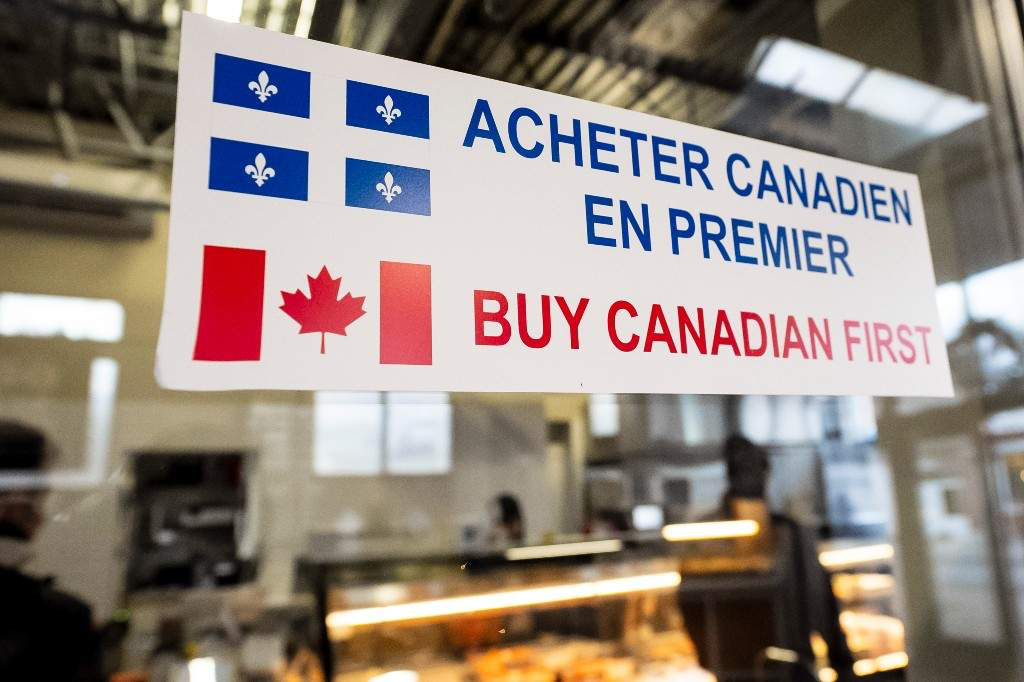
On October 23, Maine Republican Senator Susan Collins announced that the Trump administration would lift tariffs on some Canadian products. With the November midterms approaching, Republicans in border states have pressed the White House for relief from measures that have hurt local businesses and consumers. As a result, Collins stated that paper, plastics, refrigeration equipment, and agricultural machinery would be exempt from tariffs. Nonetheless, the White House stressed the need to “continue addressing Canada’s discriminatory treatment of U.S. commerce,” and said it would impose new 50% tariffs on other Canadian goods, including carpets, valves, shampoos, and canoes. While Prime Minister Mark Carney says Canada is open to a deal, President Trump does not seem ready to give up his trade war.
The tensions have only escalated since August 22, when the U.S. imposed a 50% tariff on roughly $28 billion in Canadian exports. Canada retaliated on September 8 with a 25 to 50% tariff on $27.6 billion in U.S. imports. On September 29, Washington went further and banned certain Canadian dairy products and motorcycles, along with most alcoholic beverages. The alcohol ban could be the most damaging, as Canada exported approximately $1.2 billion worth of beer, wine, and spirits to the United States last year. Trump has also threatened 50% tariffs on Canadian vehicles, auto parts and steel for the next year.
Quebec is expected to be among the most affected provinces, along with British Columbia and Ontario. Then-Premier Christine Fréchette warned in September that about $7 billion in Quebec exports would be affected, the effects of which are already becoming visible. Many companies are cutting production, laying off staff or losing contracts. In the rural community of Témiscaming, 400 unionized workers at Rayonier Advanced Materials’ industrial complex are being temporarily laid off for an indefinite period.
“It’s hard to imagine an American collector or gallery wanting to pay 50 % more for my paintings.”
The tariffs are also affecting small businesses. In an interview with The Walrus, Marika Moshonas, co-owner of a family-run restaurant equipment store in Montreal, said her business would be significantly impacted by the tariffs as much of its supplies come from the U.S. She rushed to import $60,000 worth of American-made fridges for a client before the counter-tariffs kicked in, and most of her quotes now come with a “subject to tariffs” warning.
Many artists have also stopped selling across the border since original art now faces a 50 percent tariff.Quebec landscape painter Holly Friesen, who sells almost 80% of her work through U.S. galleries, says she is worried because leaving the American market is not so simple. “It’s hard to imagine an American collector or gallery wanting to pay 50 % more for my paintings,” she admitted in an interview with The Walrus.
The escalating trade war and Trump’s repeated talks of annexing Canada as the 51st state have pushed Canadians to rally around Carney. According to The Walrus, 71% of Canadians support Carney’s decision to walk away from trade talks, with support sitting at 79% in Quebec specifically. The conflict has also shaped the province’s sovereignty debate. The separatist Parti Québécois won the October 5 provincial election, and its leader, Paul St-Pierre Plamondon, has promised a new independence referendum, but not while the trade war is raging. The vote, he says, will wait until Trump leaves office in January 2029.