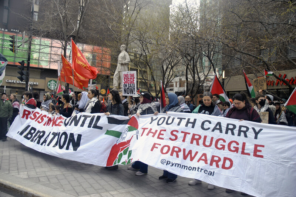

With Paul St-Pierre Plamondon taking office as Quebec’s new premier, the question of the province’s separation from Canada has returned to the spotlight. However, Quebec isn’t the only province with a lively separatist movement. The Alberta independence referendum, held on October 19th, revealed citizens’ sentiments on immigration policy, the Constitution, and provincial independence. The results offer an opportunity to examine the motivations behind the vote and what its outcome means for the province.
A concept called “western alienation” lies at the heart of Alberta’s separatist movement. There is a belief amongst certain Albertans, along with the rest of Western Canada, that their region is often overlooked, despite its significant contributions to Canada’s natural resource economy. The federal laws that block the province from building more pipelines are seen by some as barriers preventing Alberta from reaching its full economic potential. Some Albertans argue that Ottawa has hindered their economic prosperity, as the capital’s ruling Liberal party conflicts with Alberta’s conservative views on prioritizing capital gain over climate preservation. The separatist movement is led by Mitch Sylvestre, a business owner, and Jeffrey Rath, a lawyer, who created the Alberta Prosperity Project in an effort to raise awareness for their causes, which are mainly centered around separatism. However, upon the referendum’s results, it is clear that a majority of Albertans do not share these sentiments.
Despite the movement’s high coverage and media attention, the results have revealed that only 25% of Albertans voted for separation on question 10 of the referendum, which asked:
“Should Alberta remain a province of Canada, or should the Government of Alberta commence the legal process required under the Canadian Constitution to hold a binding provincial referendum on whether or not Alberta should separate from Canada?”
Danielle Smith, premier of Alberta and leader of the United Conservative Party, pledged that she would respect the Albertans’ decision, though her response to the results made it evident that she did not favour separating from Canada. Due to the overwhelming vote against separation, Smith maintained that separatist UCP members should leave the party if they did not wish to respect the province’s vote. “You get to have your say, but you don’t always get to have your way,” she told party members at a news conference in Calgary. A new code of conduct was sent out to UCP officials, asking for their commitment to respect the referendum’s results, but many members have refused to sign it. Smith’s reaction stemmed from the belief that any internal division within the party will create difficulties as the UCP campaigns for the 2027 general election. Weighing in on the situation, Mitch Sylvestre spoke about the unfairness of Smith’s exclusion of separatism as a represented and valid ideology within conservative politics, asking “is she trying to blow up the conservative movement in Alberta?”
After the movement’s nationwide attention, the results of the referendum came as a surprise for both avid followers and casual observers of Canadian news. The referendum’s nine other questions were left out of mainstream news coverage. They included inquiries on immigration and election policy, all of which have the power to determine how Alberta will handle citizenship in the context of the election process. For example, the question asked the citizens if the government should introduce a law where one must bring proof of citizenship in order to vote in the provincial election, which 58% of voters voted “Yes”. The referendum and future general election will bring about many changes to the province’s political climate. The separatist movement’s goals did not come to fruition, but perhaps this referendum will inspire Paul St-Pierre Plamondon’s efforts to organize yet another referendum for Quebec’s independence during his premiership. Either way, it appears that Canada will stay a united country, at least for now.